Get Vapor Barrier Installation in Ann Arbor, MI
Vapor barrier installation services help property owners in Ann Arbor, MI, and nearby areas prevent moisture problems, mold growth, and structural damage in basements, crawl spaces, and concrete slabs.
Vapor barrier installation services are an important consideration for property owners in Ann Arbor, MI seeking to improve indoor comfort and protect their investments. By effectively preventing moisture from seeping into building foundations and crawl spaces, vapor barriers help reduce the risk of mold growth, wood rot, and structural damage. This work enhances the overall safety and functionality of a property, contributing to a healthier living environment and reducing long-term maintenance needs.
Additionally, properly installed vapor barriers can boost curb appeal by maintaining a cleaner, more stable exterior appearance and preventing issues like dampness or water stains that may affect the property's exterior surfaces. Property owners often look for durable solutions that stand up to Michigan’s varied climate, ensuring long-lasting performance. Connecting with experienced local contractors can help ensure the vapor barrier installation delivers these benefits efficiently and effectively.
- Vapor Barrier Installation services are essential for preventing moisture from seeping into building foundations in areas with high groundwater levels.
- Homeowners in Ann Arbor, MI, and surrounding regions may seek vapor barrier solutions during basement or crawl space renovations.
- Commercial property managers might require vapor barriers to protect structures from moisture damage in humid climates.
- New construction projects often include vapor barrier installation to ensure proper moisture control from the outset.
- Renovation specialists may recommend vapor barriers when addressing existing moisture issues in residential or commercial spaces.
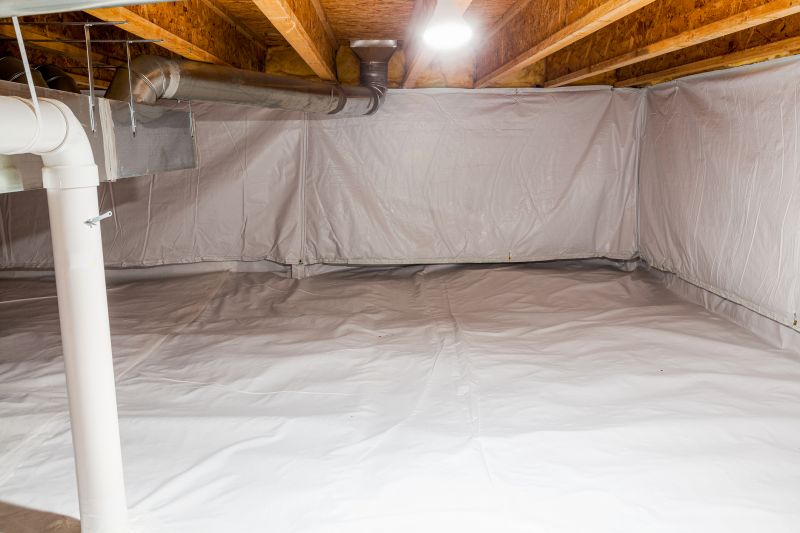
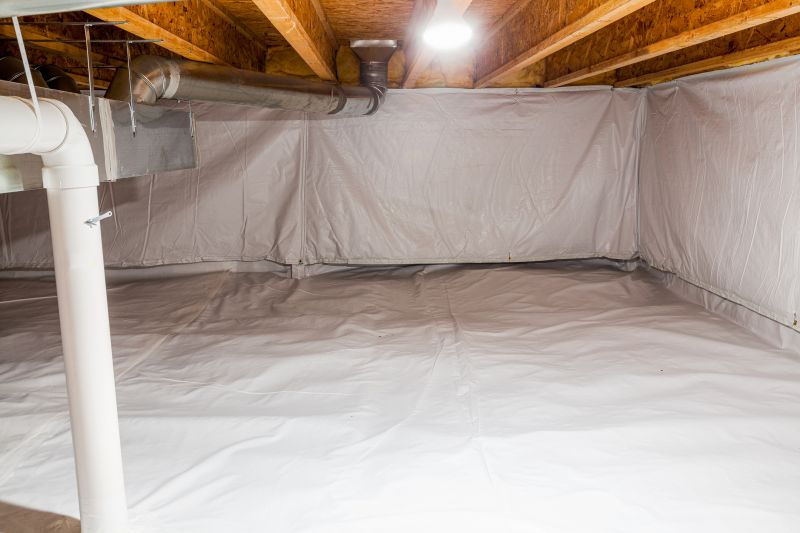
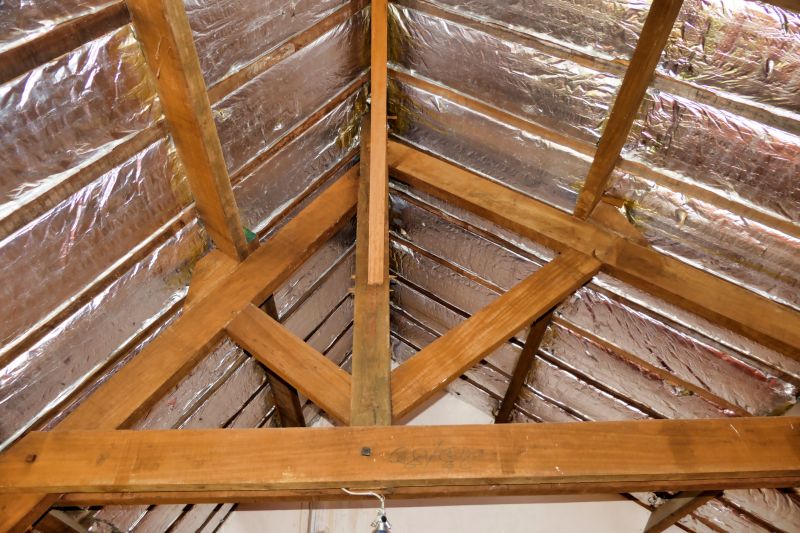
Vapor barrier installation services involve placing a specialized membrane beneath flooring, within wall assemblies, or in crawl spaces to prevent moisture from penetrating building materials. The process typically includes evaluating the property’s specific needs, preparing the installation area, and securely attaching the vapor barrier to ensure effective moisture control. These barriers are usually made from plastic or polyethylene sheeting, designed to create a barrier that limits the movement of water vapor into structural components. Proper installation is crucial to ensure the barrier’s effectiveness and to prevent issues related to moisture infiltration.
Moisture-related problems are among the primary issues vapor barriers help address. Excess moisture can lead to mold growth, wood rot, and deterioration of insulation, compromising the integrity of a building’s structure. In areas prone to high humidity or flooding, vapor barriers serve as a preventative measure to maintain a dry environment. They are especially useful in crawl spaces, basements, and below-grade foundations where moisture tends to accumulate. By controlling vapor migration, these barriers help protect the property from long-term damage and reduce the risk of health issues caused by mold and mildew.
Properties that typically utilize vapor barrier installation include residential homes, commercial buildings, and industrial facilities. In residential settings, vapor barriers are often installed in crawl spaces, basements, or underneath flooring systems to prevent moisture buildup. Commercial properties, such as warehouses or retail spaces, may also benefit from vapor barriers in areas where moisture control is essential for maintaining material integrity and indoor air quality. Industrial facilities with sensitive equipment or storage areas may require vapor barriers as part of their moisture management strategies to ensure a stable environment.
Professional vapor barrier installation services are available through local contractors experienced in moisture control solutions. These specialists assess the specific needs of each property, recommend appropriate materials, and ensure proper placement to maximize effectiveness. Proper installation not only helps mitigate moisture problems but also contributes to the overall durability and longevity of the building. Contacting a local service provider can help property owners find experienced professionals capable of delivering quality vapor barrier solutions tailored to their specific requirements.
The overview below groups typical Vapor Barrier Installation projects into broad ranges so you can see how smaller, mid-sized, and larger jobs often compare in Ann Arbor, MI.
In many markets, a large share of routine jobs stays in the lower and middle ranges, while only a smaller percentage of projects moves into the highest bands when the work is more complex or site conditions are harder than average.
Material Costs - The cost of vapor barrier materials typically ranges from $0.30 to $0.60 per square foot, depending on the type and quality selected. For a standard basement, material expenses can vary from approximately $100 to $300. Local pros can provide detailed estimates based on specific project needs.
Labor Expenses - Installation labor costs generally fall between $0.50 and $1.00 per square foot. For an average-sized space, total labor charges might range from $200 to $800. Prices can differ based on the complexity of the installation and local rates.
Project Size Impact - Larger areas, such as expansive basements, tend to have lower per-square-foot costs but may incur higher overall expenses, potentially reaching $1,200 or more. Smaller projects might cost less but still require professional assessment for accurate pricing.
Additional Services - Some providers include prep work or sealing as part of their installation, which can add $50 to $200 to the total cost. It is advisable to contact local service providers for comprehensive quotes tailored to specific project requirements.
Actual totals will depend on details like access to the work area, the scope of the project, and the materials selected, so use these as general starting points rather than exact figures.
Basement Renovation - Proper vapor barrier installation is essential for controlling moisture in basement remodeling projects, helping to prevent mold growth and structural damage.
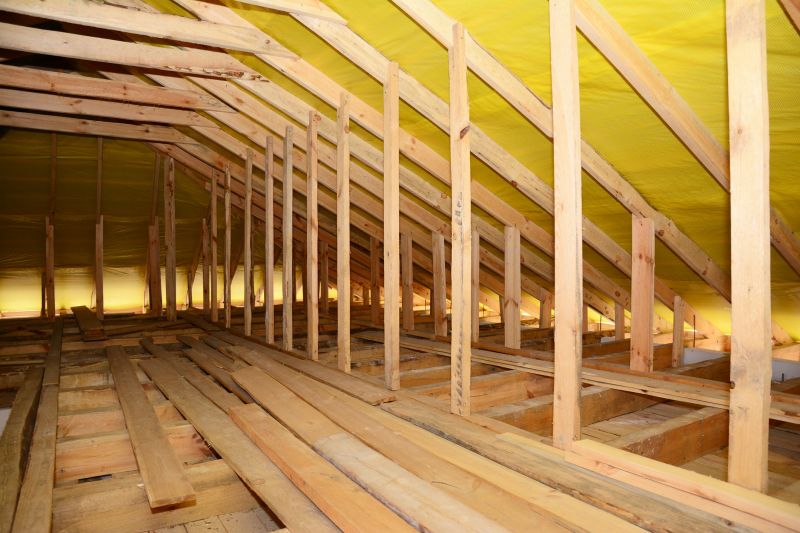
Attic Insulation - Installing vapor barriers in attics can improve energy efficiency and protect insulation from moisture-related issues.
Concrete Floor Sealing - Vapor barriers are often used beneath concrete slabs to prevent moisture migration, which can cause flooring problems over time.
Wall Insulation - Proper vapor barrier installation behind wall insulation helps manage indoor humidity and reduces the risk of mold development.
Crawl Space Encapsulation - Vapor barriers are a key component in encapsulation projects aimed at controlling moisture and improving indoor air quality.
Commercial Building Maintenance - Ensuring vapor barriers are correctly installed can aid in maintaining a healthy and durable environment in commercial spaces.
When selecting a professional for vapor barrier installation, it’s important to evaluate their experience in the field. Experienced contractors are more likely to understand the nuances of different building types and soil conditions, which can influence the effectiveness of the vapor barrier. Homeowners should inquire about the length of time a contractor has been working in the industry and ask for examples of similar projects they have completed. A contractor’s familiarity with local building codes and common challenges in the area can contribute to a smoother installation process.
Clear communication and well-defined expectations are essential when working with a vapor barrier installer. Homeowners should seek professionals who provide detailed information about the scope of work, materials used, and any preparatory steps needed before installation. Transparent dialogue helps ensure that both parties understand the project’s parameters, reducing potential misunderstandings. Additionally, reputable contractors are typically willing to answer questions and offer guidance throughout the process, fostering a collaborative relationship.
Reputable references and reviews can serve as valuable indicators of a contractor’s reliability and quality of work. Homeowners are encouraged to ask for references from past clients or seek out online reviews to gain insight into the contractor’s reputation. Consistent positive feedback regarding professionalism, punctuality, and workmanship can help inform a decision. While the site introduces local options, it is important to independently verify a contractor’s reputation and ensure they align with the homeowner’s expectations for experience and communication before moving forward with a project.
Property owners in Ann Arbor, MI use Vapor Barrier Installation services for practical projects around their homes and businesses. The sections below highlight everyday jobs and straightforward project options.
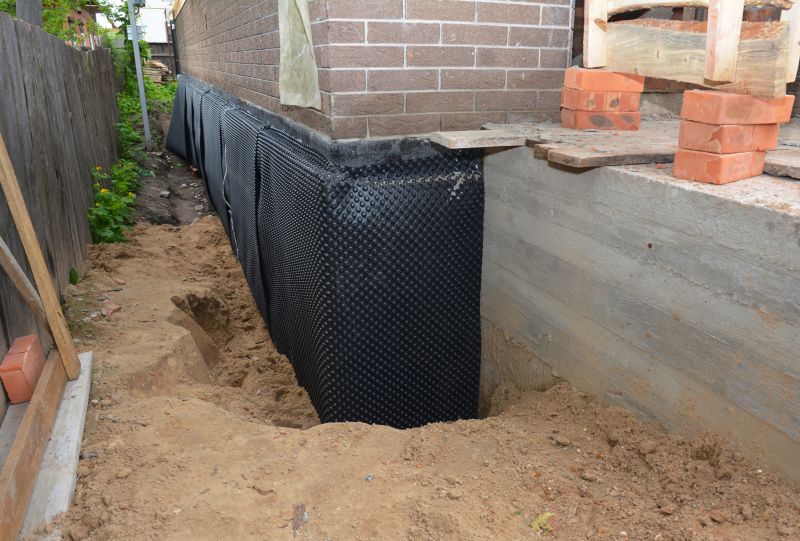
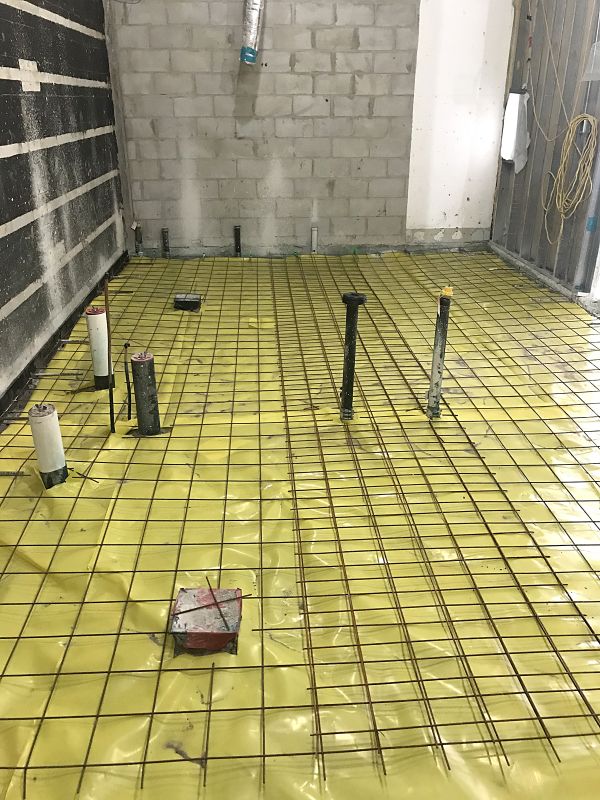
Vapor barrier installation services are commonly sought after by property owners in Ann Arbor, MI, who are looking to improve the moisture control in their homes or commercial buildings. Whether preparing a basement for finishing or addressing persistent dampness issues, local service providers can help install effective vapor barriers that reduce moisture infiltration and protect structures from mold and rot. These projects often arise during renovations, foundation repairs, or when upgrading crawl spaces to ensure a healthier indoor environment.
Property owners may also pursue vapor barrier installation to prevent moisture-related damage in areas prone to high humidity or water intrusion. In Ann Arbor, where seasonal changes can lead to fluctuating moisture levels, local contractors can assist with installing barriers that help maintain consistent conditions inside the building. This work is a practical step toward safeguarding property value and ensuring long-term durability, especially in spaces vulnerable to dampness or water vapor buildup.
What is a vapor barrier and why is it important? A vapor barrier is a material installed to prevent moisture from passing through walls or floors, helping to reduce mold growth and structural damage in buildings.
Where can vapor barriers be installed in a home? Vapor barriers are commonly installed in basements, crawl spaces, and under concrete slabs to control moisture levels effectively.
How long does vapor barrier installation typically take? The duration varies depending on the area size and complexity but generally ranges from a few hours to a full day.
Are vapor barriers suitable for all types of buildings? Vapor barriers are suitable for many building types, especially those with moisture concerns, but a local professional can assess specific needs.
How can I find local pros for vapor barrier installation? Contact local contractors or service providers specializing in moisture control and building insulation for assistance with vapor barrier installation.
Vapor Barrier Installation Benefits - Proper vapor barrier installation helps control moisture levels and prevent mold growth in building structures. Local service providers can assess your space and recommend suitable solutions.
Choosing the Right Vapor Barrier - Experts can advise on the best type of vapor barrier material for specific applications, ensuring effective moisture control.
Installation Process Overview - Professional installers ensure vapor barriers are properly placed to maximize effectiveness and adhere to building standards.
Vapor Barrier Maintenance Tips - Local pros can offer guidance on inspecting and maintaining vapor barriers to ensure long-term performance.
Considering Vapor Barrier Installation for a property in Ann Arbor, MI? The sections above highlight common project types, practical options, and details that often shape the scope of work.
When you are ready, use the quote form to share a few details about your project. Local pros can review the basics and respond with options that match what you have in mind.